Rapid Emergency Dispatch Profile: Regional Service Areas
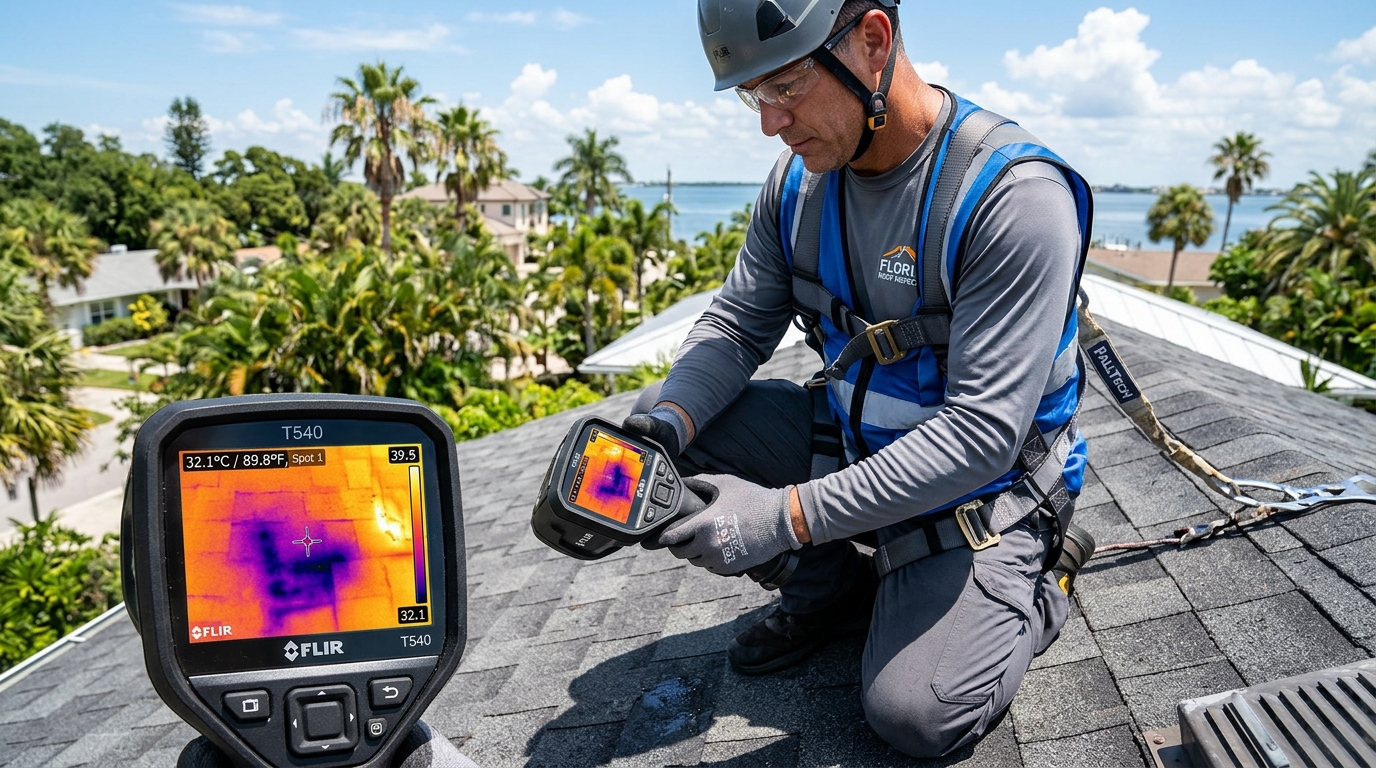
Serving Sedgwick & Surrounding Counties across postal zones 67202, 67037, 67002, 67052, 67101, 67060, 67147. Vetted local roofing crews dispatched through our coordination network carry commercial-grade 10-mil poly tarps, heavy-duty 2x4 securing timber battens, pneumatic fasteners, and calibrated FLIR thermal diagnostic cameras.
1. Regional Microclimate Dynamics & Severe Storm Exposure in Regional Service Areas, KS
Properties across Regional Service Areas occupy a geographically vulnerable position within the High Plains tornado alley. As severe convective thunderstorm complexes descend across south-central Kansas, intense mesoscale convective vortex squalls generate extreme aerodynamic turbulence. Straight-line microburst winds frequently exceed 75 to 85 MPH, creating massive localized wind shear forces along eaves, ridges, and valleys.
When combined with severe hail swarms common to Sedgwick County, the roofing substrate suffers extreme mechanical fatigue. High-velocity ice stones shatter protective mineral granules, exposing the raw asphalt matrix to intense solar ultraviolet degradation. Concurrently, wind forces lift the leading edges of architectural shingles, snapping the thermal bonding adhesive and driving torrential rainwater beneath the shingle courses directly into the structural deck.
2. Non-Destructive Moisture Diagnostics & FLIR Thermal Tracing
Accurately determining the extent of moisture ingress following a severe storm in Regional Service Areas requires scientific diagnostic protocols. Rainwater penetrating broken shingles or ruptured valley flashings frequently travels dozens of feet along roof rafters, purlins, and vapor barriers before penetrating ceiling drywall into living areas. Traditional superficial inspections fail to identify trapped subsurface moisture, allowing structural rot and mold colonization to progress unchecked.
Dispatched contractors utilize advanced FLIR infrared thermographic cameras to detect micro-thermal variations caused by evaporative cooling in damp insulation and wood substrates. Technicians verify these thermal anomalies using calibrated pinless electronic moisture meters, establishing precise boundary maps of water saturation. This forensic documentation provides undisputed evidence for property insurance claims, ensuring comprehensive restoration scopes are approved.
Key Localized Engineering Protocols — Regional Service Areas, KS
- High Plains Microburst Fastening: Installation of six high-tensile nails per shingle tab beneath the adhesive strip, satisfying MABCD 115 MPH design wind speed mandates.
- Full Rafter Batten Anchorage: Emergency tarps are secured using 2x4 lumber battens screwed directly into structural rafters rather than bare deck sheathing.
- Self-Adhering Polymer Ice Barriers: High-temperature ice and water barrier membranes installed along all valleys, rakes, and sidewall junctions to prevent winter ice dam intrusion.
- Calibrated Test-Square Documentation: Forensic HAAG-standard test squares document precise counts of fractured fiberglass mats and asphalt bruising for insurance claim verification.
3. Step-by-Step Substrate Restoration Methodology
Restoring storm-damaged roofs in Regional Service Areas involves a disciplined 5-stage engineering protocol designed to guarantee building envelope integrity:
- Emergency Stabilization & Hazard Isolation: Dispatched crews establish fall arrest anchors and install 10-mil poly tarps secured with 2x4 timber battens, halting interior water penetration while isolating damaged electrical circuits.
- Substrate Inspection & Rotten Deck Replacement: Water-compromised shingles and underlayment are stripped back to expose the plywood or OSB decking. Saturated or delaminated wood panels are replaced with APA-rated exterior grade sheathing.
- High-Performance Underlayment Installation: Full coverage synthetic underlayment combined with self-adhering polymer ice barrier membranes is applied across eaves, valleys, and wall junctions.
- Class 4 Impact-Resistant Shingle Integration: Heavyweight laminated architectural shingles engineered to withstand 2-inch hail impacts and 130 MPH winds are fastened per manufacturer specifications.
- Flashing Fabrication & Final Watertight Certification: Custom 24-gauge galvanized valley flashings and step flashings are integrated, sealed with polyurethane mastic, and inspected for complete weatherproofing.
4. State Building Codes & Contractor Licensing Compliance
All roofing projects executed through our referral platform in Regional Service Areas comply fully with the Kansas Roofing Contractor Registration Act (K.S.A. 50-6,121 et seq.) and the Metropolitan Area Building and Construction Department (MABCD) governing Sedgwick County. Participating contractors must maintain current registration certificates with the Kansas Attorney General's Office, carry minimum ,000,000 commercial general liability insurance, and provide verified workers' compensation coverage.
Municipal building codes in Regional Service Areas adhere to the 2018/2021 International Residential Code (IRC) with local Kansas amendments. Key structural specifications include minimum design wind resistance of 115 MPH (exposure category C), mandatory installation of corrosion-resistant 26-gauge drip edge along all eaves and rakes, and full ice barrier membrane coverage extending 24 inches inward from the exterior wall line. Maintaining strict adherence to these technical codes protects homeowners from building code violations and preserves factory material warranties.
5. Preventative Property Maintenance & Storm Preparedness
Taking proactive maintenance steps helps property owners in Regional Service Areas minimize storm vulnerabilities and prolong the operational lifespan of their roofing assemblies:
- Biannual Roof & Flashing Audits: Schedule professional roof inspections every spring and autumn to identify cracked pipe boots, lifted shingle tabs, and failing chimney caulking before severe weather strikes.
- Perimeter Tree Canopy Trimming: Cut back overhanging tree branches to maintain at least 10 feet of clear space above the roof, reducing puncture risks from falling limbs during high-wind storms.
- Gutter & Downspout Clearing: Clean gutters and ensure downspouts divert water at least 5 feet away from the foundation to prevent hydraulic back-pressure and eave rot.
- Post-Storm Visual Monitoring: Following major convective storms, check downspout splash blocks for excessive asphalt granules and inspect ceilings and attic spaces for early indications of moisture penetration.
Severe Storm or Active Roof Failure in Regional Service Areas?
Zero web forms, zero automated delays. Speak directly with a live dispatch intake coordinator now for emergency response in Regional Service Areas.
CALL NOW: (888) 208-4155